
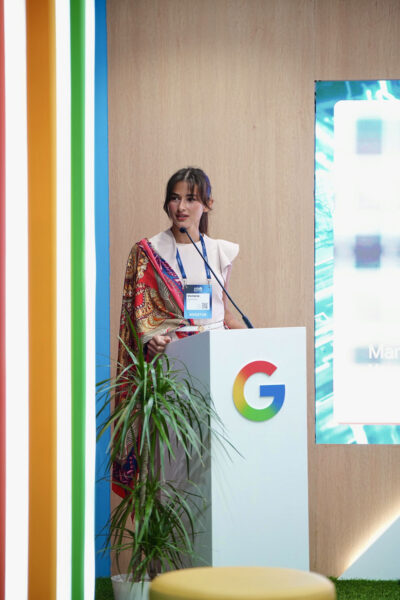
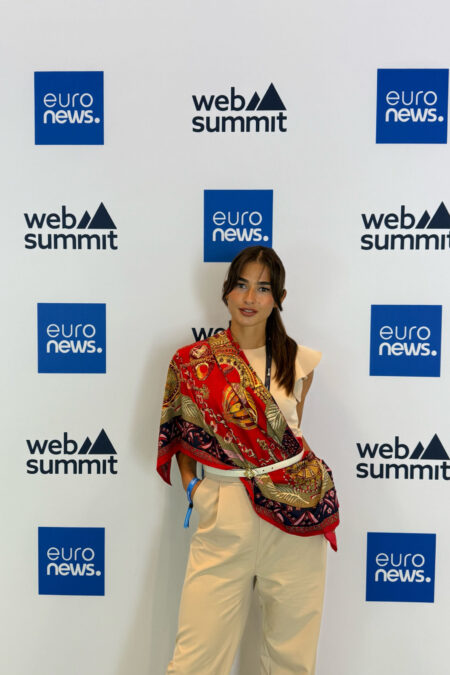
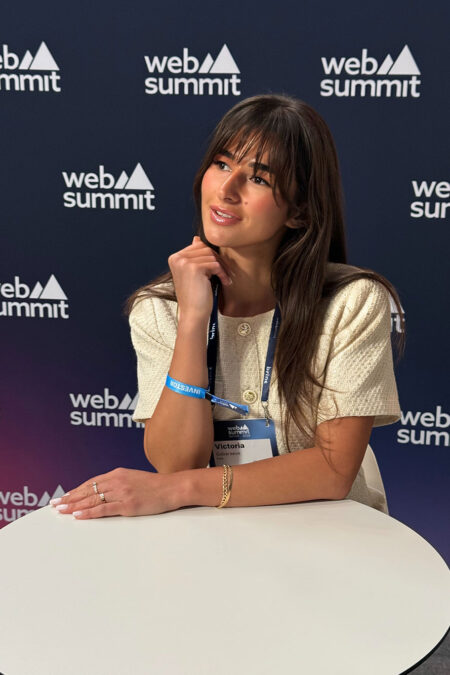
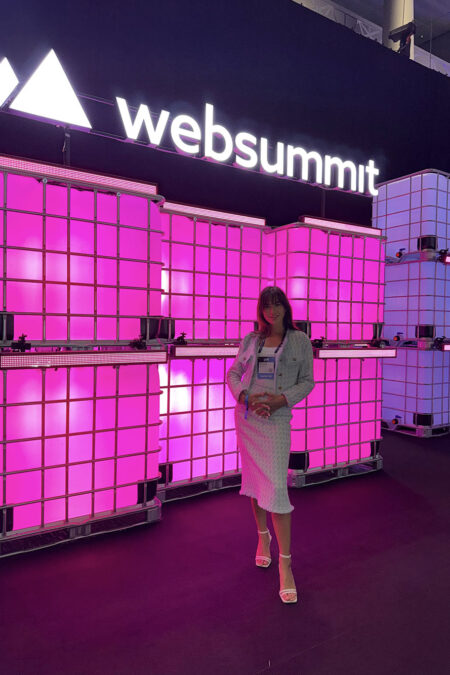
While attending Web Summit Qatar 2026, I observed a clear shift in Doha’s positioning. It is no longer primarily a convening point for founders and investors, but a platform where policy, infrastructure, and capital increasingly align. From “Sovereign AI” to smart-city deployment and a maturing investor ecosystem, the summit provided strong signals for anyone building or financing cross-border growth in the GCC and beyond.
The density of decision-makers, founders, investors, corporates and government stakeholders made the event especially relevant for growth-stage companies looking to raise capital and scale internationally.
Why this year matters
Web Summit Qatar 2026 reached record scale, underlining the region’s rising gravitational pull for global tech and capital. Beyond the headline numbers, the key story is speed: shorter cycles from pilot to deployment, driven by government adoption, national infrastructure priorities and a growing base of venture and strategic capital active in the region.
“Sovereign AI” becomes a practical requirement
A major topic in Doha was “Sovereign AI”: in simple terms, governments and regulated industries want AI that can run under local rules with clear answers on where the data sits, who controls it, and where the model runs. For founders and investors, this shifts AI from a “plug-and-play software” story to infrastructure-like deployments, compliance, and longer-term partnerships.Smart cities move from demos to real rollouts
Smart-city conversations felt more operational than conceptual: less about “cool pilots”, more about what gets implemented at scale and what measurable outcomes it delivers (cost savings, faster response, better maintenance). For growth companies, this is a clear signal that cities, districts and infrastructure operators are becoming serious AI buyers — not just showcase venues.
Capital formation and funding gravity are increasing
One of the clearest meta-signals was the capital concentration around the summit’s network. For founders, it reinforces that Doha is becoming a serious waypoint for cross-border fundraising, strategic partnerships and regional market entry discussions, especially for companies scaling between Europe and the GCC.
Government and regulation as market accelerators
Unlike many tech events where policy stays in the background, in Doha it is part of the growth equation. Government involvement and institutional participation make regulation, national platforms and public procurement visible demand drivers, especially in AI, fintech and smart infrastructure.
Founder diversity and ecosystem maturity
Ecosystem maturity also showed in participation quality and community-building: strong founder diversity and dedicated tracks (e.g., women in tech) support a broader, more resilient pipeline over time.
Takeaways for founders and investors
- AI is becoming “national capability + enterprise deployment.” Expect demand shaped by infrastructure priorities, regulation and large buyers, not only venture narratives.
- Smart-city and industrial partnerships are real distribution channels. Align products with measurable operational outcomes and procurement-ready packaging.
- Doha is strengthening as a cross-border capital hub. Investor density and deal conversations make it increasingly relevant for growth-stage fundraising and market entry planning.
Looking ahead
For Kylla, the opportunity is clear: support growth-stage companies with proven traction that are ready to scale across borders, especially between Europe and the GCC by combining co-investments, capital raising execution, and cross-border structuring. The summit confirmed that the GCC is not only a capital destination, but also a strategic market of early enterprise buyers and government-enabled rollouts.
Investment Manager
GCC region
Kylla Corporate Transactions