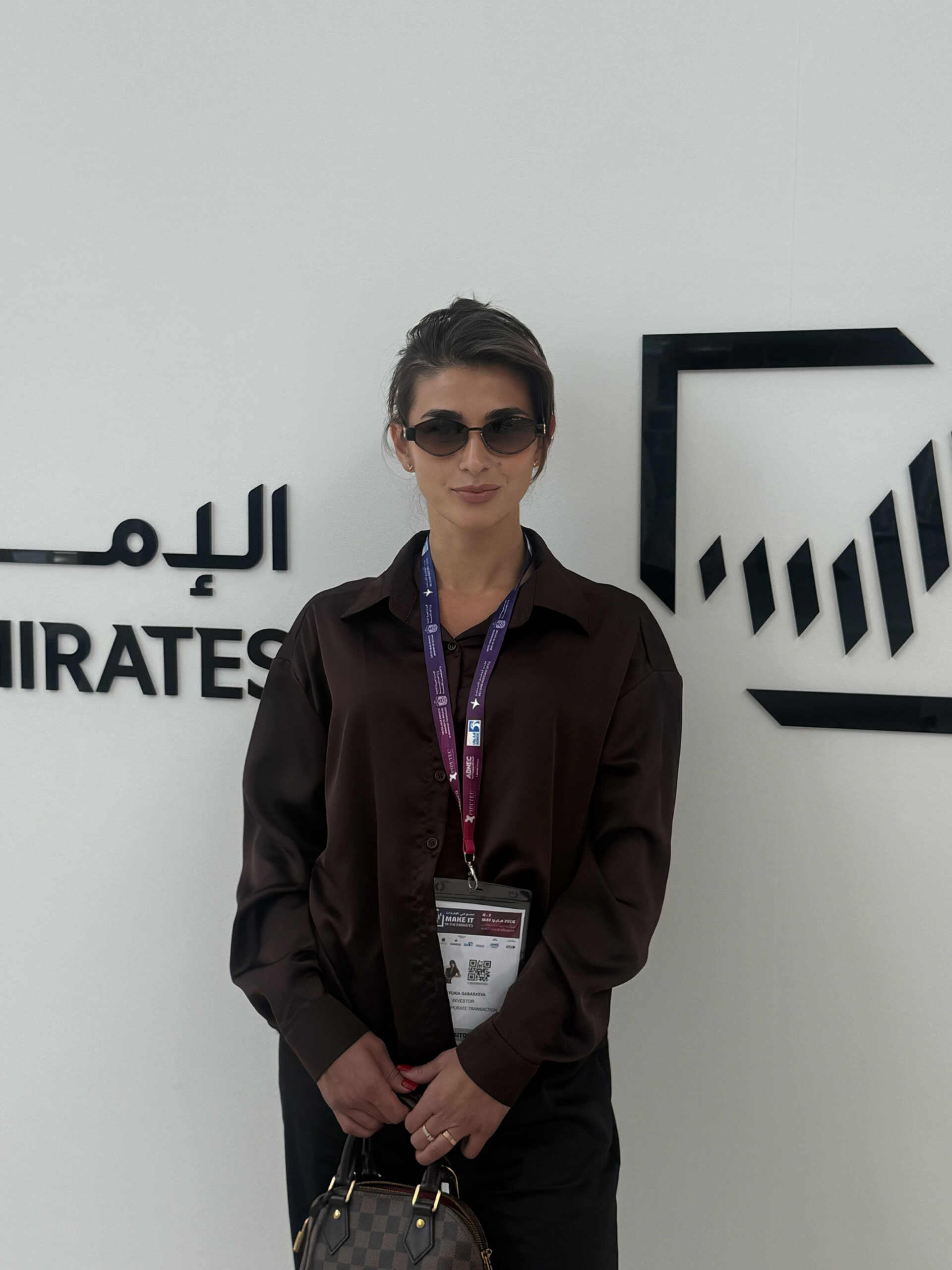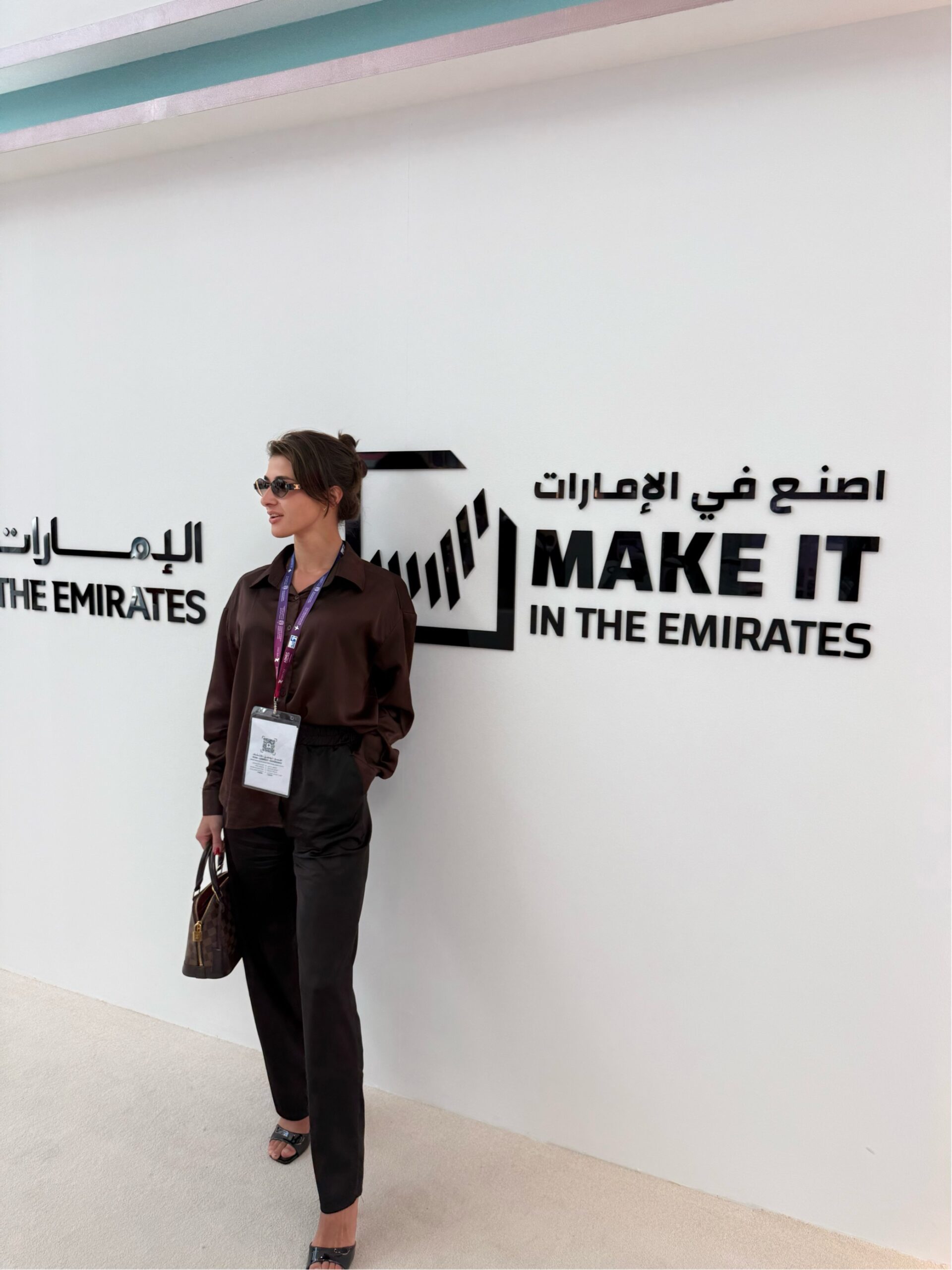

Victoria Gabaraeva, Investment Manager at Kylla Corporate Transactions, attended Make it in the Emirates in Abu Dhabi, where the UAE’s industrial strategy and localisation agenda were firmly in focus.
The forum highlighted a clear shift in the country’s economic direction: from importing and re-selling towards producing, localising and exporting. For the UAE, industrial development is no longer only about energy and petrochemicals. It is increasingly about building domestic capacity across food, pharmaceuticals, advanced manufacturing, metals, water technology, defence, aerospace, data infrastructure and smart production.
This direction matters for investors and international companies. The UAE is not simply trying to diversify its economy on paper. It is building the infrastructure, policy framework and capital base required to turn industrial localisation into a long-term growth strategy.
Key takeaways
1. Localisation is becoming a strategic priority
The UAE is placing increasing emphasis on producing critical goods domestically. Food, medicine, industrial components, water technologies and advanced manufacturing are becoming part of a broader national resilience agenda. For international companies, this creates opportunities not only to sell into the UAE, but to manufacture, localise and scale from the country.
2. Industrial growth is moving beyond oil and gas
Energy remains important, but the industrial agenda is now much wider. Metals, chemicals, cable production, pharmaceuticals, food processing, medical manufacturing, aerospace components, data-centre infrastructure and smart factory technologies are becoming increasingly relevant. This creates a broader opportunity set for investors with exposure to manufacturing, technology and infrastructure.
3. Capital is being directed into real production capacity
A key message from the forum was that industrial strategy is being supported by tangible projects, not only policy statements. New initiatives and partnerships were announced across industrial zones, food manufacturing, water desalination, chemicals, energy and advanced production. This confirms that the UAE is actively building the physical base required for a more self-sufficient industrial economy.
4. Supply-chain resilience is now an investment theme
Recent years have shown that dependence on external supply chains can create strategic vulnerabilities. The UAE’s localisation push is therefore not only about economic growth, but also about security of supply. For investors, this makes industrial resilience a long-term theme across food, healthcare, energy, water, materials and technology.
5. The main challenge is capability, not capital
One of the clearest conclusions from the forum is that capital alone will not be enough. Building a factory is easier than building a full industrial ecosystem. The UAE will need engineering talent, technical expertise, research and development capacity, suppliers, export channels and international partnerships. This is where experienced operators, technology companies and cross-border investors can play an important role.
Kylla’s view
For Kylla, Make it in the Emirates confirmed a broader investment theme: the UAE is building not just another growth sector, but a long-term industrial platform. The country’s focus on localisation, resilience and advanced production creates opportunities for companies that can bring technology, operational expertise and international execution.
For investors, the signal is clear. The next phase of the UAE’s growth will not be driven only by capital inflows, real estate or trade. Increasingly, it will be shaped by companies that can help the country produce, localise and export.
By: Victoria Gabaraeva
Investment Manager
GCC region
Kylla Corporate Transactions