

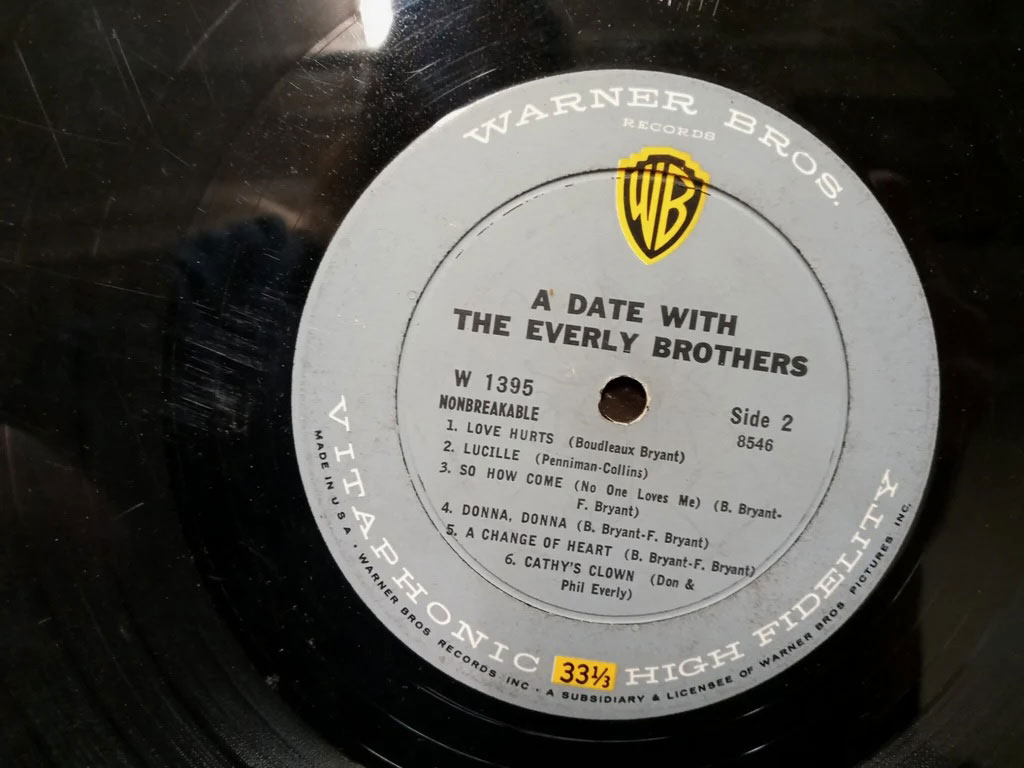
The move from physical vinyl to digital music transformed the music industry, and streaming allowed almost anyone to release a record. Technology and AI now allow almost anyone to become a founder, start a company, and approach investors. But when access becomes universal, attention becomes scarce, and professional positioning, warm investor relationships and genuine co-investment become more valuable than ever.
Anyone can release a record. Very few are heard
Not long ago, releasing music meant persuading a record label. Labels owned the studios, the distribution networks, the retail relationships and, in effect, the route to the listening public. Streaming dismantled that gatekeeping almost overnight. Today an artist can record a song at home and have it on Spotify or YouTube by the weekend.
The barriers fell, only to be replaced by something harder. In a recent episode of Semafor’s Mixed Signals podcast, Robert Kyncl, CEO of Warner Music Group, described how the role of the label has changed. It is no longer needed to place albums on shop shelves. Its value now lies in getting an artist noticed, listened to and remembered.
Distribution has been democratised. Attention has not. That shift should feel familiar to anyone raising capital today.
It has never been easier to enter the market
Founders can incorporate a company online, build a website in days and produce a polished investment story at modest cost. AI can help draft the business plan, build the financial model, research the market and design a pitch deck that looks indistinguishable from one prepared by an investment bank. The same tools will identify thousands of investors and message them all before lunch.
In theory, capital has never been more accessible: a founder no longer needs a network simply to find investors. In practice, uploading a pitch deck to a funding platform makes a company investable in exactly the way uploading a song to Spotify makes someone a recording artist.
Access to the market is not access to capital.
More propositions, more noise
Investors feel the other side of the same change. They now receive approaches from almost every sector, geography and stage of development, and most of them look professional. AI has narrowed the visible gap between a carefully prepared opportunity and an idea with a good template.
The result is a paradox: reaching investors has never been easier, and earning their attention has never been harder. Unable to examine everything, investors filter harder, weighing the credibility of the introduction, the calibre of management, commercial traction, the transaction structure and fit with mandate. A generic email with a handsome deck rarely survives that filter.
The question is no longer “how do we contact investors?” It is “why should the right investors take this particular opportunity seriously?”
A database is not an investor network
“This is where the comparison with the music industry becomes especially relevant,” says Dick van Druten, Managing Partner at Kylla Corporate Transactions.
The modern label earns its place through positioning, audience development, promotion, data and relationships. A capital-raising adviser earns its place in much the same way. Sending a deck to a long list of addresses is not advice; software already does that, and anyone can buy an investor database or ask AI to generate one.
But a list of investors is not an investor network.
Cold outreach arrives without context, differentiation or trust, competing with hundreds of other unsolicited approaches; the quality of the underlying business may never be discovered. A warm introduction arrives differently. When an opportunity comes from someone the investor has spoken to, worked with or transacted with before, it carries context and an initial degree of credibility. The investor understands why they are being approached, and why it may suit their mandate.
For almost 25 years, Kylla Corporate Transactions has been building relationships with investors across countries, sectors and investment categories. These are not names in a database. They are people and institutions we have talked to, presented to and completed transactions with. They know who we are and how we work.
No introduction guarantees interest, and none substitutes for a compelling investment case. It does, however, greatly improve the odds of a serious reading rather than silent deletion.
The work starts before the first investor call
Positioning is earned in preparation. Before any investor is contacted, the adviser’s job is to:
- test whether the company is genuinely ready to raise capital;
- sharpen the strongest parts of the investment case and address the weak ones;
- position the opportunity in the right investor category, with a credible transaction structure;
- prepare management for investor scrutiny;
- match the opportunity to investors by mandate, geography, ticket size and risk appetite;
- make warm, properly contextualised introductions; and
- run the process with discipline, answering concerns and holding momentum through to completion.
The objective is not maximum exposure but relevant exposure. Technology can generate a list; it cannot recreate almost 25 years of relationships, shared experience and trust.
Skin in the game
The parallel goes further than positioning. A label does not merely advise an artist and make introductions. It commits its own capital, time and resources. If the artist succeeds, the label shares the reward; if not, it absorbs the loss. Interests are aligned because risk is shared.
Kylla applies the same principle. In selected transactions, and subject to our investment criteria, due diligence and the circumstances of the transaction, we consider investing our own capital alongside other investors while helping the company raise the capital it requires. We combine capital raising with co-investment.
That changes the nature of the engagement. We are not only presenting an opportunity; where appropriate, we take the same risk and the same upside as the investors we introduce. Founders want to build something valuable, and investors want the strategy executed and an attractive return earned. As a co-investor, we want precisely the same.
It is also a signal. An adviser can explain why an opportunity is attractive; an adviser prepared to fund it demonstrates conviction of a different order. That removes neither investment risk nor the need for each investor’s own due diligence. But it obliges us to ask a sharper question than “can this company raise capital?”. The question becomes “is this an investment we would want to be part of?” That discipline keeps the focus on commercial viability, management quality, scalability, structure and long-term value.
Curation matters for the same reason labels do not sign everyone who uploads a song. Involvement signals selection: the opportunity has been examined, prepared and judged credible enough to bring into an established network. Selection, warm access, shared risk and continued involvement together create confidence, and reputation, relationships and alignment all become forms of access.
AI makes judgement more valuable, not less
AI will keep improving how opportunities are researched, modelled, packaged and distributed. Those are real gains. But they do not touch the decisions that close transactions.
Investors still must judge whether management can execute, whether the assumptions behind the model hold, where the commercial risks sit, and whether they trust the people they may be working with for the next decade. No document, however elegant, and no contact list, however long, settles those questions. The more automated the outreach becomes, the more weight those human judgements carry.
AI can help a company enter the fundraising market. It cannot make investors care.
Reach the right audience, not the biggest one
An artist does not need every Spotify user; they need the listeners who will play the track twice, share it and stay. A company does not need every investor; it needs the few whose strategy, experience, ticket size and objectives fit the transaction.
Successful capital raising is therefore not a numbers game. It is preparation, positioning, targeted engagement and trust. Where a company meets our investment criteria, it can also become a relationship built on co-investment and genuinely aligned interests.
The role of the corporate finance firm has changed, just as the role of the record label has changed. It is no longer to open a market that was previously closed. It is to identify exceptional propositions, help them rise above the noise, introduce them to the right investors through established relationships, invest alongside those investors where appropriate, and work with founders to build lasting value.
When almost everyone can publish, distribute and approach, selection, relationships and genuine commitment are what remain scarce.
By: Dick van Druten
Managing Partner
Kylla Corporate Transactions